Logistics & Supply Chain
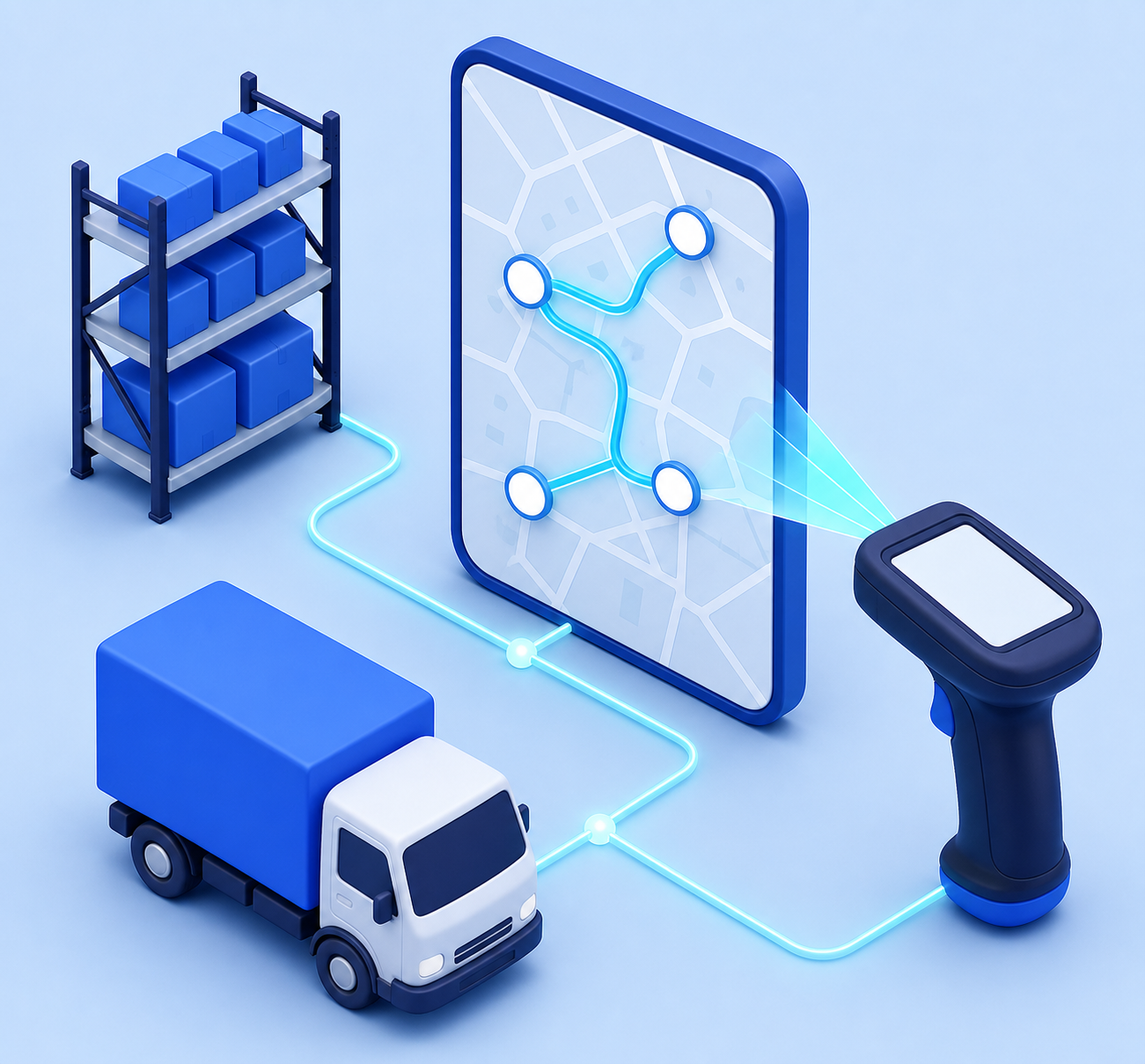
Customers now expect to know exactly where their shipment is, and to be told before it is late. KIVOZA connects you with verified IT experts who can build the tracking, routing, and warehouse systems that make that possible.
What Technology Means for Logistics
Logistics is an information business that happens to move goods. The physical work is only half of it — the other half is knowing where everything is, what condition it's in, when it will arrive, and being able to tell a customer before they have to ask.
The operational gains come from routing and warehouse efficiency. Better route planning cuts fuel and adds drops per shift; better picking logic and scanning cut errors and get orders out faster. Both are compounding advantages in a business with thin margins.
The commercial gains come from visibility. Customer portals with live tracking, proof of delivery, and accurate ETAs reduce inbound calls dramatically and are increasingly what wins contracts against competitors offering the same lanes at similar prices.
What the right technology delivers
IT Services Logistics Businesses Need
Whatever your transport, warehouse, or freight business needs, here are the IT services operators ask for most — all available through verified vendors on KIVOZA.
Fleet & Vehicle Tracking
Live vehicle location, driver activity, and delivery status in one view.
Route Optimisation Systems
Planning that sequences drops efficiently across vehicles and time windows.
Warehouse Management Systems
Receiving, put-away, picking, packing, and stock accuracy at location level.
Customer Tracking Portals
Self-service shipment tracking, ETAs, and proof of delivery for your clients.
Driver Mobile Apps
Manifests, navigation, signatures, and photos captured from the cab.
Freight & Transport Management
Bookings, carrier selection, rates, and consignment management in one system.
Carrier & Partner Integration
Connections to carriers, customers, marketplaces, and customs systems.
Barcode & Scanning Systems
Scanning at every handover point so nothing gets lost between steps.
Logistics Analytics
Reporting on cost per drop, on-time performance, and utilisation.
Solutions & Platforms Commonly Used
Here's the kind of thing that actually gets built for logistics businesses, grouped by area. The right mix depends on your operation.
Common Challenges Logistics Businesses Face
If any of these sound familiar, you're not alone — they're the reasons most logistics businesses look for an IT partner.
Who It's For
From local couriers to freight forwarders, here's who benefits most — and what they're usually solving for.
Transport & haulage operators
Fleets needing routing, tracking, and driver tools that actually get used.
Courier & last-mile businesses
High-drop operations where routing efficiency directly drives margin.
Warehousing & 3PL providers
Businesses handling other companies' stock and needing accurate, auditable systems.
Freight forwarders
Operators coordinating carriers, documentation, and multi-leg shipments.
Distributors & wholesalers
Businesses combining stock, orders, and delivery under one operation.
Supply chain teams
In-house functions needing visibility across suppliers, stock, and transport.
How KIVOZA Helps Logistics Businesses
Logistics systems have to work on the road, in a warehouse, and on a poor connection — that takes real practical experience. Instead of gambling on a random developer, KIVOZA connects you with checked, real IT businesses, and lets them come to you — so you can find ones with the right logistics experience.
Ready to stop answering "where is my delivery?"
Post your project and get matched with verified IT experts — then choose who to work with. It only takes a few minutes.
Every vendor is checked to be a real, registered business before appearing.